
Coaching · January 16, 2026 · 6 min read
Why Your Learning Disability Might Be Your Greatest Entrepreneurial Asset
By Toby Riley, LPC-S
By Toby Riley, LPC-S
When most people hear the phrase learning disability, the first image that comes to mind is someone struggling: the child who can't keep up in class, the adult who dreads paperwork, the professional who feels “behind.”
But what if the very things society calls “disabilities” are actually among the greatest entrepreneurial advantages?
As mental health counselors and business coaches, we've seen it again and again: people with ADHD, dyslexia, trauma histories, or other challenges often bring fresh creativity, grit, and vision into their businesses. What once felt like a weakness becomes the very thing that sets them apart.
This post is the start of a larger series exploring how unique wiring, whether labeled a disability, a struggle, or simply a different way of thinking, can become the foundation of a thriving business.
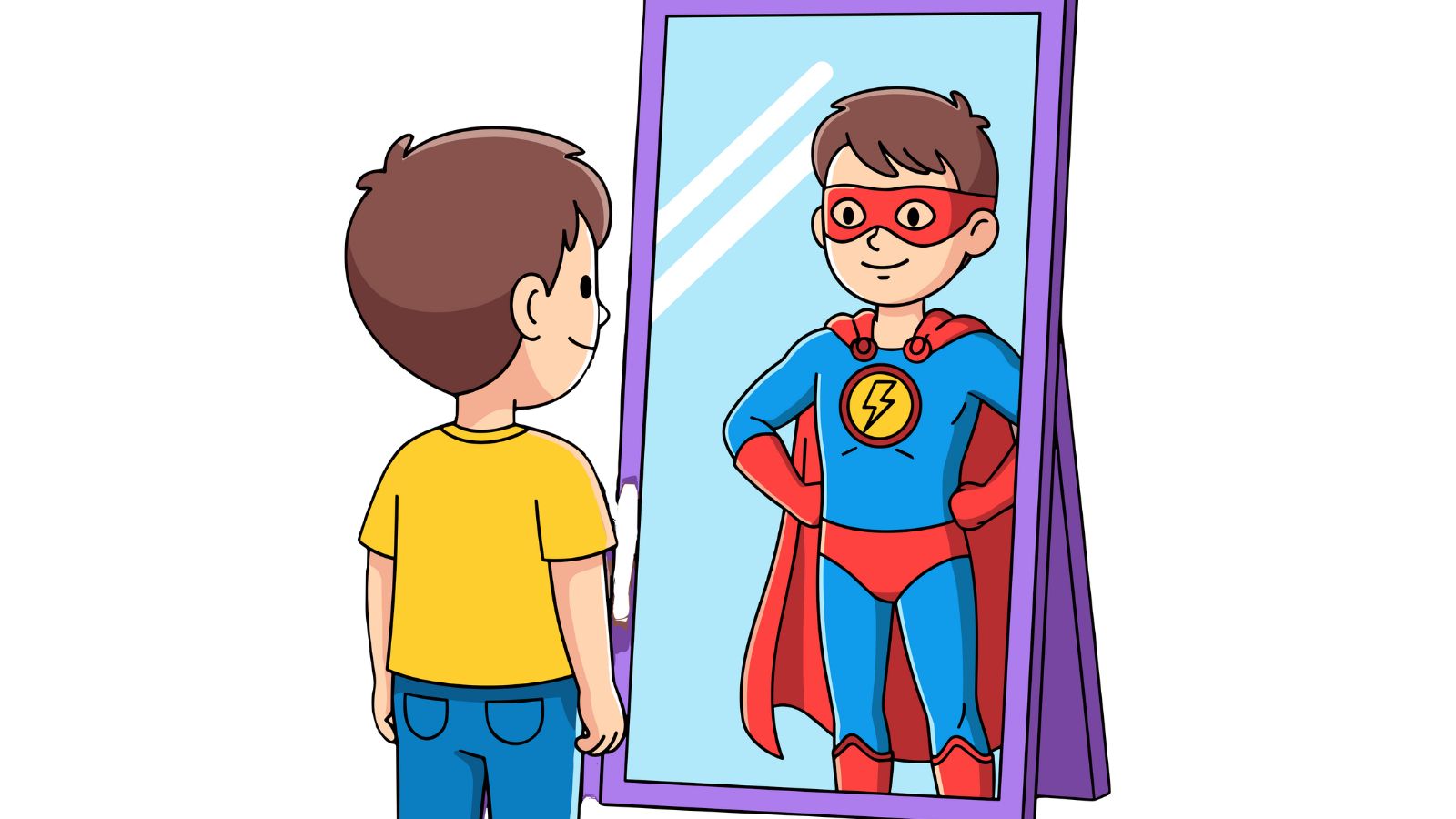
The word disability implies a lack, but that's only part of the story. Traditional school and work systems were designed for a narrow type of learner. If you didn't fit that mold, you were labeled. But “different” doesn't mean “deficient.”
In fact, the entrepreneurial world is often more welcoming to different thinkers than traditional classrooms or corporate jobs. Businesses thrive on creativity, problem-solving, and resilience, qualities many neurodiverse individuals have developed through lived experience.
A few broad ways learning differences can be assets in business:
Some of the most successful entrepreneurs in the world have learning differences: Richard Branson (dyslexia) built Virgin Group by leaning into creativity and bold vision; Daymond John (dyslexia), founder of FUBU, credits his struggle with reading as motivation to sharpen his business instincts; Barbara Corcoran (dyslexia) turned her “underdog” label into the drive to build a multi-million-dollar real estate empire.
Their stories show that differences aren't barriers, they're springboards.
Here's the point: a brain isn't broken, and a story isn't a liability. Differences, even scars, can become the foundation of a powerful, resilient, creative business.
This blog series will unpack specific struggles and learning differences, ADHD, dyslexia, trauma history, anxiety, and more, and translate them into business-building strengths and strategies.
The best businesses aren't built by people who “fit the mold.” They're built by people who broke free from the mold.
If you've ever been told you're not smart enough, not focused enough, or not disciplined enough to succeed, this is a chance to prove those voices wrong. Unique wiring isn't a weakness. It's a superpower.
Your brain is not a barrier. It's your breakthrough waiting to happen.
Toby Riley, LPC-S, Founder of Tobias Counseling. 17+ years in mental health and a decade leading a private practice. Specializes in divorce and custody cases, military and first responder wellness, and adolescent concerns.
Related: more on why the owner’s own self-understanding shapes the business in Owner Involvement.
Fix the Foundation. Fuel the Future.